
Wildfire smoke research provides insights to help ranchers protect their herds and reduce stress
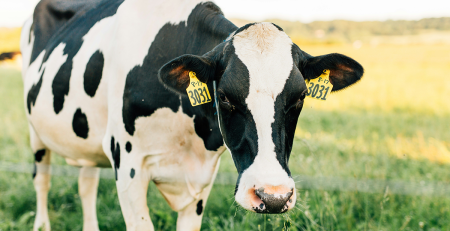
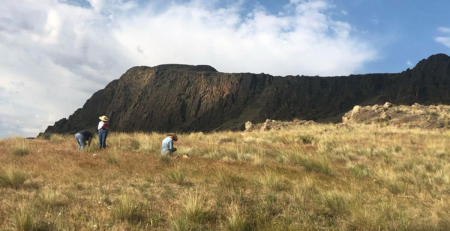
Wildfires that scorched nearly 2 million acres in Eastern Oregon exposed many local cattle to significant levels of wildfire smoke. In the aftermath, cows across the state, on both dairy and beef operations, have been getting sick with symptoms like runny noses, runny eyes and severe discharge.
An Oregon State University Extension Service beef specialist hypothesized that inhaling smoke dries out the cow’s lungs, resulting in bacterial infections. To study this, researchers observed cows naturally exposed to smoke during fire season and conducted controlled experiments where cattle were exposed to unhealthy air quality levels in an enclosed barn. The animals were monitored using cameras and their health metrics were tested.
Preliminary results show increases in cortisol levels, inflammation and immune responses in the cows exposed to smoke, indicating stress in the animals. Next season, the researchers plan to provide some cattle with a solution to reduce water loss and improve hydration. They will share the efficacy of management options as they are confirmed through the ongoing research. In the meantime, the researchers stress the need for safety and evacuation plans as well as the need to minimize stressful events like weaning or vaccination during wildfire events.
View the full statement on the NIDB.
Project supported by State Appropriations. Photo courtesy of Oregon State University Extension Service.