
Preserving food traditions
America’s heritage is deeply rooted in food. It’s important for people to learn where food comes from, how it is produced and how to prepare it. Land-grant universities are connecting youth and adults to these traditions to sustain agricultural knowledge while preparing the next generation with practical skills, responsibility and leadership capacity.
Here are a few examples of that work:
- For the 4-H Country Ham Project,Kentucky State University’s 4-H Cooperative Extension program is providing youth with guidance on proper curing techniques, food safety practices, record keeping and preparation for competition. Youth participate throughout the year, culminating in exhibition and judging at the Kentucky State Fair. Through their involvement, youth gained practical knowledge of animal science and food preservation, strengthened problem-solving and time-management skills, and developed confidence in presenting their work to judges and the public.
Kentucky State University Cooperative Extension Program. Supported by 1890 Extension capacity funds. See full statement.
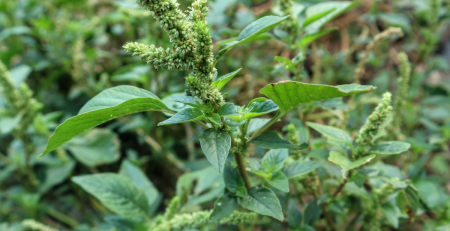
- Ohio farmers are interested in growing African crops to preserve plant genetic biodiversity and to sell for niche markets. Researchers in Ohio partnered with farmers to provide demonstration plots for other farmers to see the African heritage crops grown. Heritage crops such as egusi melon, red burgundy okra, motherland okra, speckled swan gourd, O’Dell white watermelon, striped toga eggplant and southern clay pea were selected for their cultural significance and potential market demand. Farmers learned how to grow these crops and saved seed to expand production.
Central State University Extension. Supported by USDA competitive funds. See full statement.
- Many community members are seeking ways to prepare healthier meals at home but lack confidence in basic cooking skills or familiarity with traditional cookware such as cast iron. Kentucky State University Cooperative Extension hosted a series of Cast Iron Skillet Workshops, blending hands-on cooking instruction with lessons in nutrition and cast-iron care. At the start of the sessions, less than 20% of participants had used cast iron. By the end, 100% of participants reported feeling confident in their cast iron cooking skills and 100% said they understood proper care and maintenance of cast iron. Many participants shared their intentions to incorporate more home-cooked meals into their weekly routines, using their new skills to prepare healthier, nutritious dishes for their families.
Kentucky State University Cooperative Extension Program. Supported by 1890 Extension capacity funds. See full statement.